The Story Behind Dutch Caramel Waffle Cookies
What Are Dutch Caramel Waffle Cookies?
Dutch caramel waffle cookies, often known as stroopwafels, are a beloved treat that originated in the Netherlands. They consist of two thin, crisp waffle discs pressed together with a layer of sweet caramel syrup in the middle. The result is a chewy, slightly crunchy cookie that has become a staple in Dutch cuisine and a favorite snack worldwide. These cookies are typically enjoyed with coffee or tea, often placed on top of a hot cup to warm them and soften the filling. The combination of the caramel syrup and the waffle texture creates a distinct experience that sets them apart from other filled cookies.
A Brief History
The story of Dutch caramel waffle cookies begins in the late 18th or early 19th century in the city of Gouda, Netherlands. Bakers would use leftover scraps of dough, mixing them with sugar and cinnamon to create a sweet filling, then press the mixture between two waffle irons. The first recorded recipe for stroopwafels appeared around 1840, and they quickly became a local specialty. By the early 20th century, they were being sold at markets and fairs across the country. The cookies were originally made by hand, but as demand grew, production became more mechanized. Today, they are produced both industrially and by artisan bakers, but the basic process remains the same: thin waffle discs are baked, split, filled with caramel syrup, and pressed together.
How They Are Made
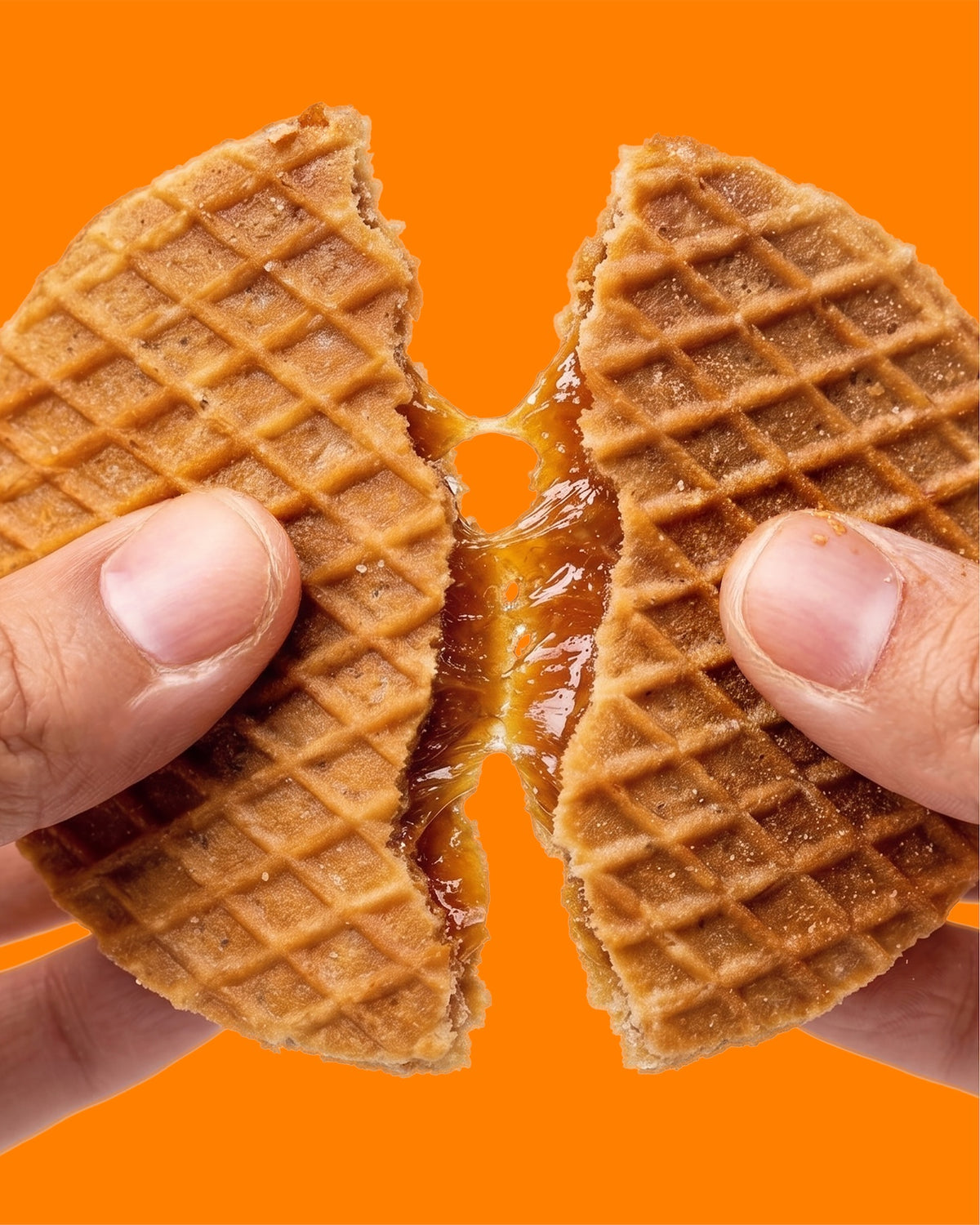
Making Dutch caramel waffle cookies involves a few key steps. First, a dough is prepared from flour, butter, sugar, eggs, and yeast or baking powder. The dough is rolled into small balls and then pressed in a hot waffle iron, which creates the thin, patterned waffle discs. While the waffle is still warm and pliable, it is split horizontally using a knife, creating two thin layers. A generous layer of caramel syrup, often made from brown sugar, butter, and cinnamon or other spices, is spread between the two layers. The filled cookie is then pressed together and allowed to cool, which sets the filling and gives the cookie its characteristic chewy texture. The syrup is warm when applied, so it seeps into the waffle layers, creating a cohesive treat.
The texture of the cookie is a key part of its appeal. The waffle discs are crisp on the outside but slightly soft and chewy inside, especially when warmed. The caramel syrup adds sweetness and a sticky, rich contrast. This balance of textures makes the cookie satisfying to bite into and allows it to pair well with hot beverages. The cookies are often served by placing them on top of a mug of coffee or tea for a few minutes, which softens the caramel and makes the whole cookie more pliable.
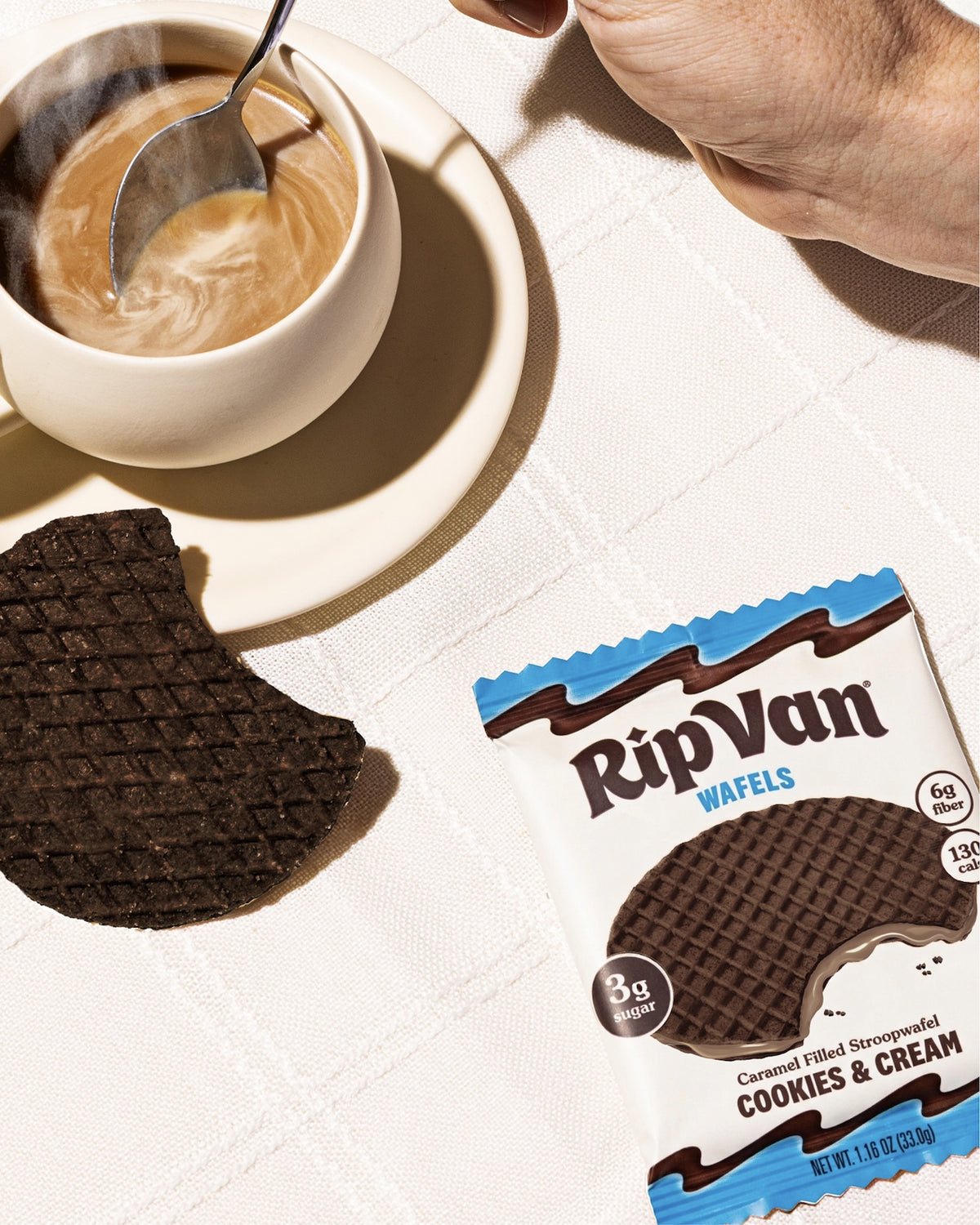
In recent years, variations have appeared, including versions with added fiber or reduced sugar to appeal to health-conscious consumers. These adaptations maintain the classic texture and flavor while offering a different nutritional profile. The core experience of a warm, caramel-filled waffle cookie remains central, whether it is a traditional recipe or a modern twist.
Dutch caramel waffle cookies have become a modern Dutch cookie treat that is enjoyed far beyond the Netherlands. They are a popular souvenir for tourists and are widely available in supermarkets and specialty stores around the world. The combination of a crispy waffle and gooey caramel filling has universal appeal, making them a staple in many households.
How to Enjoy Them
There is no single correct way to eat a Dutch caramel waffle cookie, but some methods bring out the best in them. The most common approach is to place the cookie on top of a hot cup of coffee or tea for a minute or two. The heat from the drink softens the caramel syrup and warms the waffle, making the cookie easier to bite and more aromatic. Alternatively, you can microwave the cookie for a few seconds or place it on a radiator for a similar effect. Some people enjoy them cold, straight from the package, but the texture is firmer and the caramel less flowing.
These cookies also work well as a topping for desserts, crumbled over ice cream, or crushed and used as a crust for cheesecake. Their versatility makes them a convenient ingredient for creative baking. Because they are individually wrapped or packaged in stacks, they are easy to store and take on the go.
What They Mean for the Reader
For someone looking for a sweet snack that pairs well with coffee or tea, Dutch caramel waffle cookies offer a unique option. They are a modern Dutch cookie treat that combines the crunch of a waffle with the richness of caramel in a compact, portable form. Unlike many filled cookies that can be overly sweet or one-dimensional, stroopwafels provide a layered experience: the waffle contributes a slight toastiness and structure, while the caramel adds sweetness and a chewy element. This makes them a satisfying choice for an afternoon pick-me-up or a dessert that does not require much preparation.
The cultural tradition behind these cookies also adds to their appeal. Knowing that they originated as a way to use leftover dough and have been enjoyed for nearly two centuries gives the treat a sense of history. For the reader, this context can make the experience of eating one more meaningful, especially if they are interested in Dutch cuisine or global food traditions. The cookies are also a good option for those who appreciate artisanal food products, as many brands emphasize traditional methods and high-quality ingredients.
For those with dietary considerations, some versions of these cookies are made with lower sugar content or added fiber, making them more suitable for a balanced diet. The basic recipe is naturally dairy-heavy, so vegans or those with lactose intolerance may need to seek out specialty versions, but the mainstream product is widely accessible. The cookies are typically shelf-stable for months, which makes them a practical pantry item.
Choosing the Right Cookie
When selecting Dutch caramel waffle cookies, there are a few factors to consider. First, look at the ingredients list. Traditional recipes use butter, sugar, and wheat flour, but some mass-produced versions may include palm oil, corn syrup, or preservatives. If you prefer a more authentic taste, choose a brand that lists butter and sugar as primary ingredients. The thickness of the waffle and the ratio of filling to waffle also matter. Some cookies have a thinner waffle and a generous caramel layer, while others are thicker and more bread-like. The ideal cookie for many is one where the waffle is crisp but not too hard, and the caramel is soft and slightly sticky.
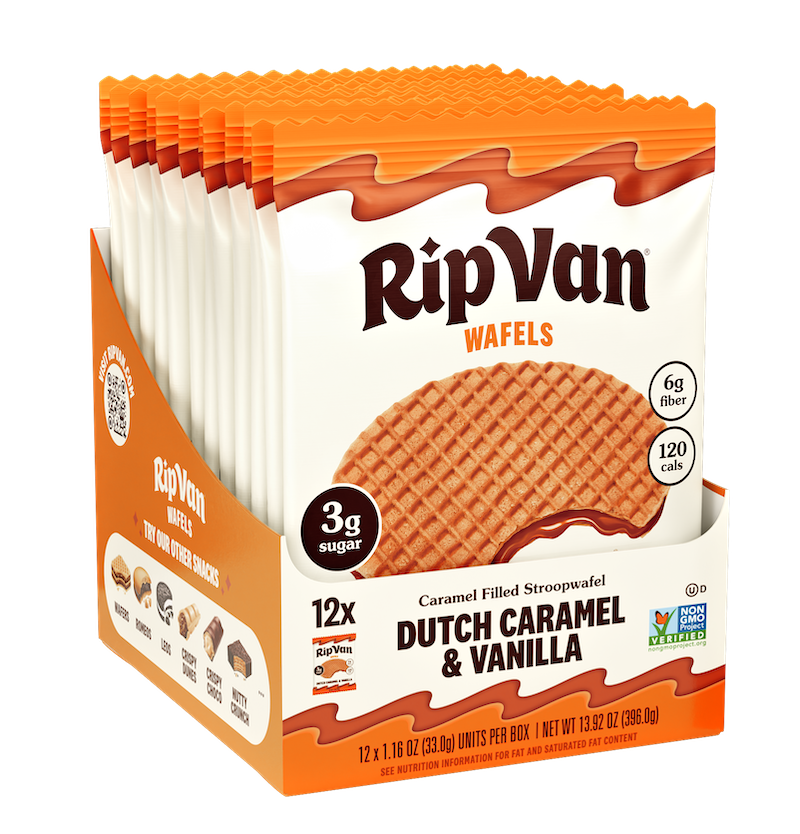
Packaging is another consideration. Some cookies come in individual wrappers, which help maintain freshness and are convenient for one serving. Others are sold in bulk in resealable bags or tins. If you plan to eat them over time, resealable packaging helps prevent the cookies from drying out. The size of the cookie also varies: some are large enough to cover the top of a standard mug, while others are smaller and more snack-sized.
Ultimately, the best way to find your favorite is to try a few different brands and see which texture and sweetness level you prefer. The cookie is a versatile canvas, and small differences in the recipe can lead to noticeably different eating experiences.
Dutch caramel waffle cookies have traveled from the streets of Gouda to kitchens around the world, and they remain a simple, satisfying treat. Whether you enjoy them the traditional way with a hot drink or incorporate them into your own recipes, they offer a taste of Dutch culinary heritage that is both familiar and distinct. Their combination of crisp waffle, sweet caramel, and chewy texture is a testament to how a few humble ingredients can create something memorable.